
6 Signs You Are Stuck in Emotional Patterns and How Therapy Helps Break the Cycle

When Patterns Become Impossible to Ignore
Most people can sense when something feels familiar in an unhelpful way. The same arguments. The same emotional reactions. The same internal dialogue that promises change but leads back to the same outcome. These patterns often repeat quietly for years until one day they become impossible to dismiss.
Noticing patterns does not mean you are doing something wrong. It means your awareness is growing. Therapy helps transform that awareness into change by addressing the thoughts, emotions, and relational dynamics that keep cycles in motion. For many individuals and couples, virtual counseling provides a flexible and effective way to interrupt these patterns and build healthier emotional habits.

Why Emotional and Relational Patterns Tend to Repeat
Patterns in thoughts, emotions, and relationships rarely appear out of nowhere. They often develop over time as ways to cope, protect, or make sense of challenging experiences. What may have once served as a survival strategy: helping you navigate stress, conflict, or difficult relationships, can later limit your growth and create cycles that feel impossible to break.
These patterns can show up as repeated arguments, recurring negative self talk, or emotional reactions that seem automatic. Understanding why they exist is not about blame. It is about gaining insight into the underlying mechanisms that drive behavior, creating an opportunity to respond differently rather than react out of habit.
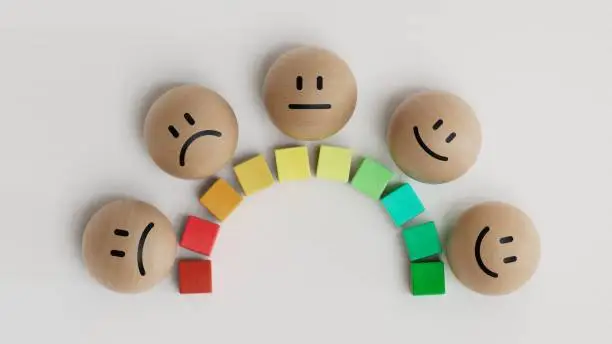
Common reasons patterns persist include:
Automatic thought processes shaped by past experiences
Emotional responses learned in early relationships
Nervous system reactions tied to stress or trauma
Unspoken relational expectations
Avoidance of uncomfortable emotions


By examining these common patterns, it becomes clear that they are not random or personal failures. Each cycle is shaped by past experiences, emotional habits, and relational dynamics, often operating beneath conscious awareness. Recognizing these forces is a powerful step because it allows you to approach your thoughts, emotions, and behaviors with curiosity instead of judgment. Awareness creates space for intentional choices, helping you respond differently in situations that once felt automatic or repetitive.
“Patterns repeat until they are understood, not until they are judged.”

6 Common Patterns Therapy Helps Address
Patterns in thoughts, emotions, and relationships often become noticeable when they start interfering with daily life or recurring experiences. If you find yourself reacting the same way across situations or relationships, it may signal patterns that could benefit from professional support. Virtual counseling provides a safe space to explore these recurring cycles and develop strategies for breaking emotional patterns that have persisted over time.
Bringing awareness to these cycles is the first step toward meaningful change. Understanding that these behaviors and reactions are predictable, rather than random, allows you to approach them with curiosity and intention. Below are six of the most common patterns clients notice and address through therapy.

1. Repeating the Same Relationship Conflicts
You may notice similar arguments across different relationships, even when the people involved change.
2. Emotional Overreactions Followed by Regret
Strong emotional responses may feel uncontrollable in the moment and confusing afterward.
3. Persistent Negative Self Talk
Internal criticism that feels automatic can shape confidence, motivation, and emotional well-being.
4. Avoidance Followed by Anxiety
Putting off difficult conversations or decisions often increases stress rather than reducing it.
5. Feeling Emotionally Responsible for Others
Many people fall into caretaking roles at the expense of their own needs.
6. Getting Stuck Despite Insight
Understanding a pattern intellectually does not always lead to change without therapeutic support.
By noticing these patterns, it becomes easier to see that they are not arbitrary or personal shortcomings. Each cycle reflects a combination of learned emotional habits, past experiences, and relational dynamics. Simply identifying them can create a sense of clarity and agency. Awareness allows you to pause in moments that once felt automatic, opening the door to more intentional responses, healthier interactions, and greater emotional balance.

Break Emotional Cycles With Internal Family Systems Therapy
Recurring patterns in thoughts, emotions, and relationships can feel impossible to change. If you notice repeated arguments, self-criticism, or automatic emotional reactions, virtual counseling with Internal Family Systems Therapy (IFS) can provide insight and tools to create lasting change.
What Is Internal Family Systems Therapy (IFS)?
IFS is an evidence-based therapy that views the mind as made up of multiple internal “parts,” each with its own beliefs, emotions, and roles. Many parts develop as protective mechanisms to help cope with stress, past trauma, or emotional pain. While once adaptive, these parts can now maintain emotional cycles that limit growth.
Through IFS, clients learn to:
Understand the purpose of protective parts rather than suppress emotions
Observe recurring emotional patterns without judgment
Respond intentionally instead of reacting automatically
Develop insight into the drivers of thoughts, feelings, and behaviors
How IFS Helps Break Repeating Emotional Patterns
Many emotional cycles are driven by automatic protective responses. Common patterns include:
Harsh self-criticism or internal negative dialogue
Emotional withdrawal or avoidance
Chronic people-pleasing
Anger or frustration in relationships

IFS helps by:
Identifying active parts that influence emotions and behavior
Understanding the origin of protective responses
Reducing internal conflict and emotional overwhelm
Strengthening internal leadership to respond from a calm, grounded place
By addressing both thoughts and emotions, IFS creates the ability to interrupt patterns instead of merely coping with them temporarily.

Why IFS Works Well in Virtual Counseling
IFS adapts seamlessly to online therapy. Virtual counseling allows clients to:
Notice internal patterns in real time during emotional triggers
Explore relational stress and recurring thoughts from the comfort of home
Practice new responses with guidance from a licensed therapist
Integrate skills into everyday situations for lasting change
This accessibility makes virtual counseling with IFS a powerful tool for breaking cycles in thoughts, emotions, and relationships, providing support exactly when and where it is needed.
Internal Family Systems Therapy offers a structured, compassionate approach to understanding and transforming emotional patterns. By connecting with protective parts, responding with curiosity, and building internal leadership, clients can reduce automatic reactions, improve emotional regulation, and strengthen relationships. With consistent practice in virtual counseling, IFS empowers meaningful, sustainable change and lasting emotional resilience.

“When protective parts feel understood, they no longer need to work as hard.”
What Changes When You Work With a Therapist
Therapy is not about “fixing” you. It is about developing a healthier, more compassionate relationship with your thoughts, emotions, and patterns. Working with a trained therapist provides guidance, structure, and tools to help you notice cycles, understand underlying triggers, and practice new ways of responding. Over time, this process allows you to navigate emotional challenges with greater clarity, resilience, and self-awareness.
With consistent support, many clients notice:
Increased emotional awareness without overwhelm
More intentional responses instead of automatic reactions
Improved communication in relationships
Greater self-trust and emotional balance
Reduced repetition of painful cycles

Change does not happen overnight, and it does not require perfection. It requires a safe space to explore, practice, and learn, and a therapist can provide the guidance needed to make these shifts sustainable. By engaging in therapy, you are not only interrupting old patterns but also creating a foundation for long-term emotional growth and healthier relationships.

Awareness Is the Beginning of Change
Noticing patterns you can no longer ignore is often the moment growth becomes possible. These patterns are not evidence of failure. They are signals pointing toward unmet needs, unresolved emotions, and protective strategies that deserve understanding.
Therapy helps turn awareness into action by offering structure, insight, and emotional safety. When patterns are addressed with compassion rather than self criticism, meaningful change becomes sustainable.

Start Breaking Cycles With Virtual Counseling
If you are ready to stop repeating the same emotional or relational patterns, support is available. Our licensed therapists offer virtual counseling using evidence based approaches like Internal Family Systems Therapy to help individuals and couples create lasting change.
Contact our online therapy team today to schedule a consultation and begin building healthier patterns in thoughts, emotions, and relationships.

Why Choose Our Online Virtual Counselors?
Specialized Expertise: Our therapists aren’t generalists. They specialize in different areas of mental health, ensuring you get the tailored support you need.
Convenience: No commuting, no waiting rooms. Receive therapy from the comfort of your home, office, or wherever you feel safe and relaxed.
Flexibility: Our virtual platform can adapt to your schedule. You decide when you want to have your session.
Confidentiality: Just like traditional face-to-face therapy, our online sessions are private and confidential.
If you’re seeking an online, virtual counseling in New York, New Jersey, Pennsylvania, Connecticut, Massachusetts, Maryland, Virginia or Florida, please reach out for a complimentary consultant today.