
3 Stages of Moving From Survival Mode to Emotional Stability at the Start of a New Year

Why the New Year Often Feels Harder Than Expected
The beginning of a new year is often framed as a time for motivation, clarity, and momentum. Yet many people quietly feel exhausted, emotionally numb, or overwhelmed. Instead of feeling refreshed, they feel like they are still catching their breath.
This experience is common, especially after months of stress, change, or emotional strain. For many individuals and couples seeking virtual counseling, January is less about resolutions and more about recovery.
“I thought I was failing at the new year, but I realized I was just tired.”-Client
Moving from survival mode to emotional stability is not about forcing positivity. It is about understanding what your mind and nervous system need now and responding with care. This article outlines three clear stages that many people move through as they reset their mental health at the start of a new year.
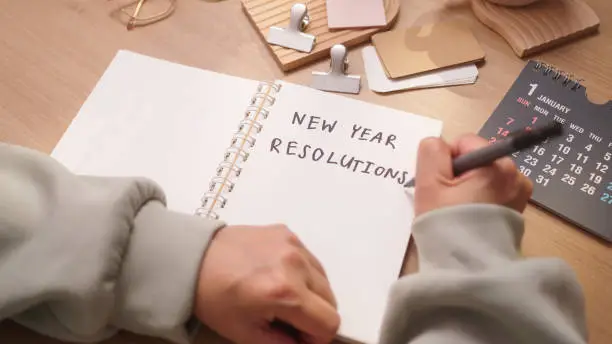
Why “Resetting” Mental Health Looks Different Than Starting Over
The idea of a fresh start is often misunderstood. Emotional health does not reset on a calendar date, and pressure to feel motivated or optimistic can quietly increase distress. Many people enter the new year still carrying unresolved stress from the previous one, even if life appears calm on the surface.
In virtual counseling sessions, this shows up as confusion rather than crisis. Clients often say they are functioning but not grounded. They are getting through the day yet feel disconnected from themselves, their relationships, or their sense of direction. This in between state is important to acknowledge because it shapes how healing actually begins.
Rather than pushing for change, effective mental health work starts by noticing patterns. How does stress show up in your body? What emotions feel hardest to access or regulate? When do you feel most on edge or most shut down? These observations are not problems to fix. They are signals.
Understanding this creates a more compassionate lens for what comes next. Before stability can be built, there has to be clarity about what your nervous system has been managing and why. That awareness naturally opens the door to the first stage of moving out of survival mode.

Stage 1: Recognizing Survival Mode Without Self Judgment
Before emotional stability is possible, awareness has to come first. Survival mode is not a diagnosis and it is not a personal failing. It is a physiological and emotional response that develops when stress, uncertainty, or emotional strain lasts longer than the nervous system can easily regulate. Over time, the mind shifts into a protective state designed to help you get through the day rather than fully engage with it.
Common signs of survival mode include:
Feeling emotionally flat or disconnected
Difficulty concentrating or making decisions
Constant tension or restlessness
Irritability or emotional shutdown
Going through daily tasks on autopilot
Survival mode often develops quietly. Many people function well at work or in relationships while ignoring how depleted they feel inside. In virtual therapy sessions, clients frequently say they did not realize how much they were carrying until things slowed down.
Understanding survival mode through this lens is essential. It is not weakness or avoidance. It is your nervous system responding intelligently to prolonged demand. Simply naming this experience without judgment creates space for relief and self compassion. That awareness becomes the foundation for everything that follows, making it possible to move forward with support rather than pressure.

Stage 2: Creating Emotional Safety Before Pushing for Change
Once survival mode is acknowledged, the next step is not self improvement. It is emotional safety. Stability grows when the mind feels supported, not rushed.
At the start of the year, many people unintentionally add pressure by trying to fix everything at once. Therapy often helps clients slow down and ask a different question. What helps me feel regulated rather than productive?
Examples of grounding supports that foster emotional safety include:
Establishing consistent sleep and meal routines
Limiting exposure to stress inducing media
Practicing brief mindfulness exercises
Allowing rest without guilt
Talking openly with a therapist about emotional fatigue
Healing rarely moves in a straight line, and pushing for progress often creates more strain rather than relief. Emotional stability develops through steady, supportive experiences that signal safety to the nervous system over time. Virtual counseling allows this kind of support to unfold naturally, offering consistent care that fits into daily life without adding pressure or disruption.
“You do not need to become a new version of yourself. You need space to return to who you already are.”

Stage 3: Rebuilding Stability Through Intentional Mental Health Support
As emotional safety becomes more consistent, clarity often begins to emerge. People start to notice how they think, react, and relate to others with greater awareness. Stability at this stage does not mean the absence of stress or emotional discomfort. It means having the capacity to pause, reflect, and choose responses that align with personal values rather than default survival patterns.
Therapy during this phase moves beyond short term coping and into meaningful insight. Clients often explore emotional triggers, internal conflicts, and relational patterns that once felt automatic or confusing. With guidance and support, these patterns become understandable and changeable rather than overwhelming.
Emotional stability often shows up as:
Improved emotional regulation
Greater self trust
Clearer communication in relationships
Reduced anxiety or emotional overwhelm
Increased sense of agency and choice

This stage represents a turning point in mental wellness, where stability becomes an active, lived experience. With consistent support, clients begin to notice triggers without being overwhelmed, pause before reacting, and choose responses that reflect their values.
Whether setting boundaries at work, communicating more clearly in relationships, or managing stress without spiraling, virtual therapy provides a structured, safe space to practice these skills, reflect on patterns, and celebrate progress. Over time, this fosters a deeper sense of agency, resilience, and confidence, allowing individuals to navigate daily challenges with greater ease and authenticity.
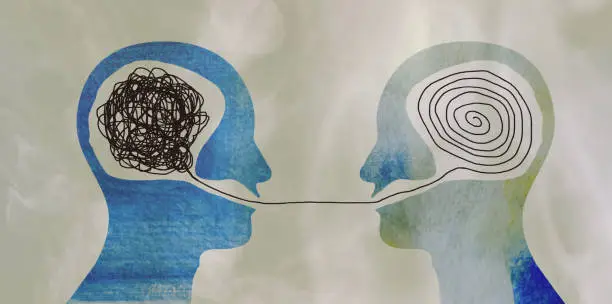
How Internal Family Systems Therapy Supports the Transition From Survival to Stability
One therapeutic approach that aligns especially well with this process is Internal Family Systems therapy, often referred to as IFS.
Internal Family Systems therapy is based on the idea that the mind is made up of different parts. Some parts protect us, some carry emotional pain, and others try to manage daily life. In survival mode, protective parts often take over to help us cope.
In IFS therapy, clients learn to:
Identify protective parts that drive anxiety or emotional shutdown
Understand the purpose behind coping behaviors
Access a calm, grounded inner state known as the Self
Heal emotional wounds rather than suppress them
For example, a client may discover that their emotional numbness is a protective part trying to prevent burnout. Instead of fighting it, therapy helps them listen to what that part needs.
Internal Family Systems therapy is especially effective in virtual counseling settings because it emphasizes reflection, self awareness, and emotional attunement. It allows clients to move toward stability without forcing change before they are ready.
Key Takeaway:
Emotional numbness is rarely a lack of feeling. In IFS therapy, it is understood as a protective response that softens once safety and understanding are established.

Why the New Year Is a Meaningful Time to Begin Virtual Counseling
Starting therapy at the beginning of a new year isn’t about setting rigid resolutions or expecting immediate transformation. It’s about choosing to prioritize mental health during a natural moment of reflection and renewal; a time when many people feel motivated to invest in themselves and their well-being.
Virtual counseling offers:
Flexible scheduling that fits real life
Access to licensed therapists from home
Evidence based mental health treatment
Support for individuals and couples
A private and comfortable therapeutic environment
For many clients, virtual therapy provides more than convenience, it becomes a consistent source of guidance, insight, and support. Over time, this foundation helps individuals and couples move beyond merely coping, building sustainable emotional stability, stronger relationships, and a clearer sense of purpose for the year ahead.

Begin the New Year With Support, Not Pressure
You do not need to have everything figured out to begin therapy. You only need a willingness to be honest about where you are.
If you are feeling emotionally exhausted, disconnected, or stuck in survival mode, virtual counseling can help you create stability at a pace that respects your nervous system and your lived experience.
Schedule a virtual counseling consultation today and take the first supported step toward emotional stability this year.

Why Choose Our Online Virtual Counselors?
Specialized Expertise: Our therapists aren’t generalists. They specialize in different areas of mental health, ensuring you get the tailored support you need.
Convenience: No commuting, no waiting rooms. Receive therapy from the comfort of your home, office, or wherever you feel safe and relaxed.
Flexibility: Our virtual platform can adapt to your schedule. You decide when you want to have your session.
Confidentiality: Just like traditional face-to-face therapy, our online sessions are private and confidential.
If you’re seeking an online, virtual counseling in New York, New Jersey, Pennsylvania, Connecticut, Massachusetts, Maryland, Virginia or Florida, please reach out for a complimentary consultant today.